County / Porto / Amarante / Convent of Santa Clara
A whole country
to discover!
to discover!
Convent of Santa Clara
Art and Culture
Art and Culture
The history of the Monastery of Santa Clara is long. In the 13th century, in an uncertain year, it was founded by D. Mafalda, Infanta of Portugal. It is known that, in 1272, it was already fully operational. The small monastery would later adopt the Order of Santa Clara.
The violence of the battles between Napoleonic troops and Anglo-Portuguese forces during the French invasions weighed heavily on the monastery. The flames set by the French army during the fighting consumed the monastery. Only the church escaped unscathed.
After a long process of rebuilding, the nuns reoccupied the monastery. But another turn of events was to come. In 1833, new admissions to the novitiate were forbidden. What's more, a year later, religious orders were abolished in Portugal. The Monastery of Santa Clara began a slow death that came in 1862, with the transfer of the last nun to the Monastery of Santa do Porto.
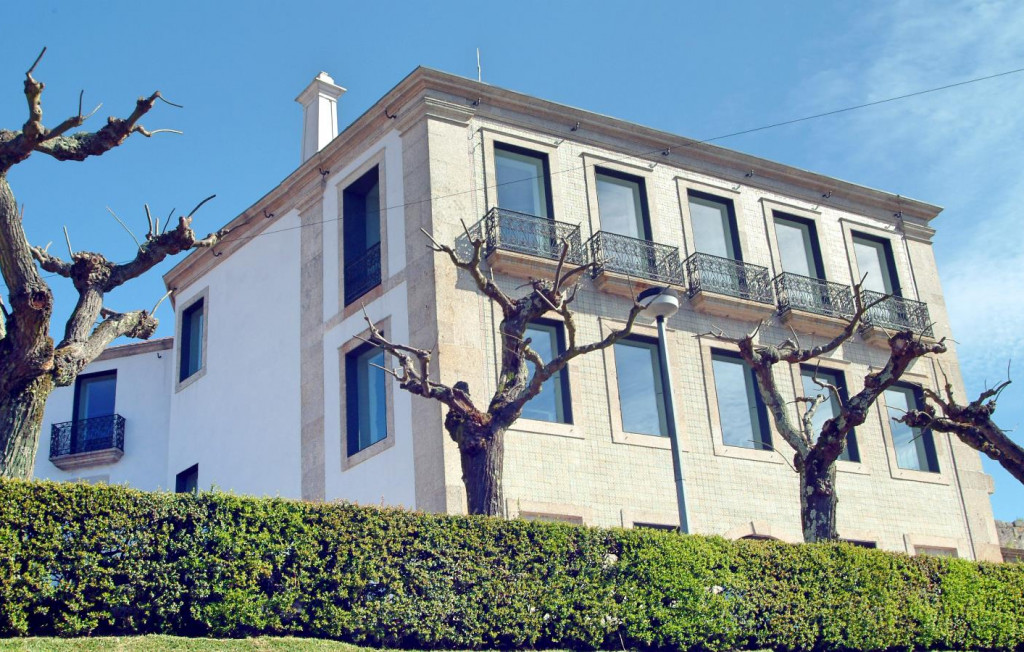
The building was sold at public auction and gradually converted into the Casa da Cerca by a Portuguese emigrant in Brazil. It was a private residence which, after some transformations, retained the memory of the monastic fence in its name.
Little remains of the original monastic complex other than a partially demolished temple. Physically, the monastery, as it was known in its early days, has disappeared. But there is something that is still associated with the monastery today; something that delights Amaranthians and visitors alike - the convent sweets, spread by the nuns of the female branch of the Franciscan Mendicant Order, devotees of Santa Clara. Today, sweets are a reference in the culture and gastronomy of Amarante.