A whole country
to discover!
to discover!
Core of Traditional Arts and Crafts - Gestaçô walking sticks
Museums
Museums
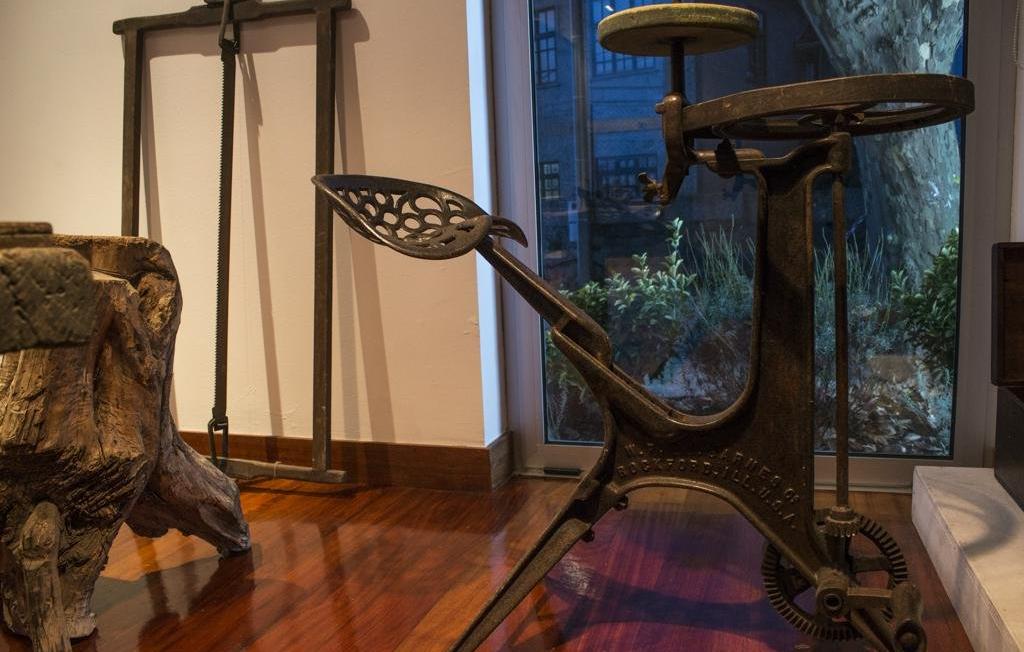
The Casa das Bengalas de Gestaçô is an arts and crafts centre created with the aim of preserving the historical memory of a craft with many decades of tradition in the parish and municipality, to promote the activity socially and to create a space for the exhibition, demonstration and sale of walking sticks.
This space displays a collection of umbrella handles and various objects that allow visitors to understand the different steps involved in the artisanal production of walking sticks. It also portrays the history of the Bengala de Gestaçô and the artisans who dedicated themselves to the craft;
The first walking stick workshops appeared in Gestaçô at the end of the 19th century. The great driving force behind the craft was Alexandre Pinto Ribeiro, who set up his workshop there in 1902.
Alexandre Pinto Ribeiro revolutionised the entire process of designing and producing walking sticks and umbrella handles by introducing a small innovation: the folding technique. This technique involves bending the ends of strips of wood softened in boiling water with the help of a metal bar, which saves on raw materials and produces a higher quality walking stick. As a result of this technological advance, Gestaçô became a regional reference for both walking stick and umbrella handle production, with an increasing number of orders from Porto, São João da Madeira and Braga.
Along with this technique, creativity emerged, allowing for the use of numerous original motifs and designs that make each walking stick a unique piece. Animal heads, polished cherry wood, mother-of-pearl, silver or gold inlays are just some of the examples used by the artisans. Over time, walking sticks ceased to be part of men's attire and umbrella handles began to be made of plastic, which led to the closure of many walking stick workshops in Gestaçô.
The widespread use of the Queima das Fitas nationwide has given new life to the craft: every year, around 30,000 university students cane people with canes made in the artisan workshops of Gestaçô.
+351 254 888 015
Call to national landline network
Call to national landline network