County / Porto / Vila Nova de Gaia / Gaia Biological Park
A whole country
to discover!
to discover!
Gaia Biological Park
Nature and Outdoors
Nature and Outdoors
Winter opening hours
October/March: 10 a.m. to 5 p.m. (entry until 4.30 p.m.)
Summer opening hours
April/October during the week: 10.00 a.m. to 7.00 p.m. (entry until 6.00 p.m.); weekends: 10.00 a.m. to 7.00 p.m. (entry until 6.00 p.m.).
The Park
The first permanent environmental education centre in the country, the Vila Nova de Gaia Biological Park is a 35-hectare agroforestry area in the municipality where hundreds of species of animals and plants live in the wild.
The aim of the Biological Park is for visitors to understand the landscape of the region, including all its components (flora, fauna, climate, rural architecture, customs, hydrography, etc.) and the contrast between this agroforestry landscape, which is preserved in the Park, and its urban surroundings. That's why the Park is first and foremost a memorial to the region's landscape, which is losing its characteristics in favour of construction.
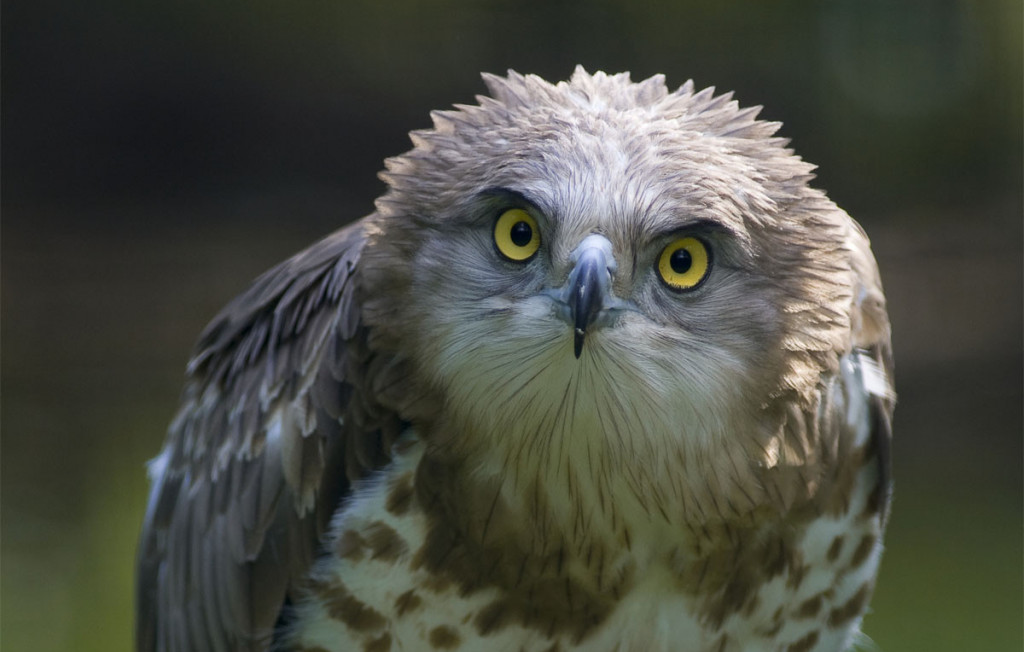
But the Park is also a small nature reserve of fauna and flora; more than 40 species of wild birds nest in the Park and many more visit during their migrations.
The Park also includes a centre for the recovery of wild animals found injured or illegally held in captivity, and a nursery that produces thousands of plants of over 300 species every year, destined for the Park itself and for the public green spaces of the Gaia municipality.
In this area, a 3 kilometre nature discovery trail has been set up, along which visitors' attention is drawn to the various components of the Natural and Cultural Heritage through the information on display.
Starting with the permanent exhibition ENCANTOS & DESENCANTOS, on display in the Welcome Centre, visitors are invited to appreciate the landscape of the Febros valley in all its aspects.
The oak grove, the weir, the birds, the geology, the nests and the Engenho de Buchas are just a few examples of the topics covered "in loco".
Since its opening, the Biological Park has received more than 10,000 animals for rehabilitation. The Park also collaborates with the administrative and police authorities, receiving animals seized from people who have hunted or kept them illegally.
At the same time, the Biological Park is also a Nature Reserve where wild fauna and flora are protected and promoted.
More than 70 species of birds live in or visit the Park during their migrations, of which more than 30 species nest in the Park. Add 18 species of mammals, 14 of reptiles and amphibians, 9 of fish, and several dozen invertebrates, plus 300 spontaneous plant species, and you get an idea of the extent of the site's natural value.
As a result of the protection measures taken, new species are settling in and others are increasing their population; today, wild rabbits, squirrels, herons and other species abound in the park.
History
Set up in 1983 by the Vila Nova de Gaia City Council, the Gaia Biological Park initially opened its doors on two hectares.
Between 1997 and 1998, the Park undertook an ambitious programme to improve the conditions in which it welcomed visitors, reopening to the public equipped with a Welcome Centre
- with an auditorium, exhibition rooms, accommodation, a sales stand, bar and terrace - and with its area expanded to 35 hectares.
The need for the Park began to be felt in the 1970s, when schools and other institutions began asking Environmental Defence Associations and other Nature Conservation bodies to organise field lessons and study visits to suitable sites.
In response to these requests, nature contact activities were organised in the Peneda-Gerês National Park, the S. Jacinto Dunes Nature Reserve, Barrinha de Esmoriz and Serra de S. Justa, among other places.
More information at: https://parquebiologico.pt/parque-biologico-gaia
+351 22 787 8120
Call to national landline network
Call to national landline network