County / Beja / Moura / Moura Castle
A whole country
to discover!
to discover!
Moura Castle
Art and Culture
Art and Culture
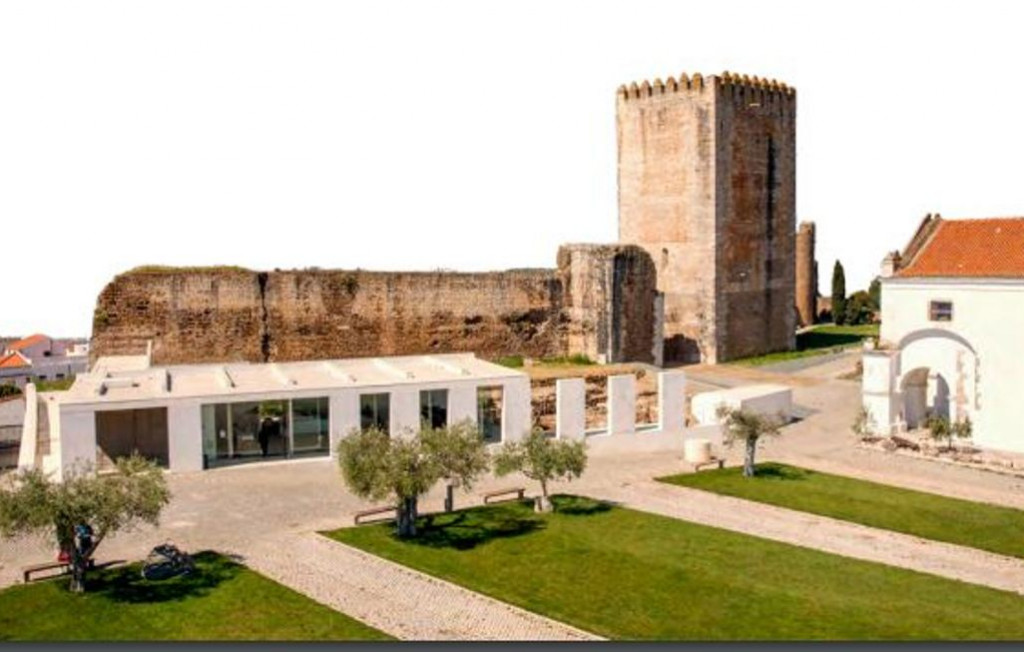
Although there are traces of older settlements on the outskirts of the city, it was only in the first half of the 4th century BC. is that a village is established on the hill of the Castle. From then until the 40s of the 20th century, there was practically no interruption in the human occupation of the site. The first indication of the ancient name of Moura, Lacant, dates from the Visigothic period, but it is only after the Islamic conquest of the Peninsula, in the 8th century, that the first references to the city appear in the texts of chroniclers and geographers. In the twelfth century, more specifically in 1166, Moura fell into Christian hands for the first time. However, the Almohad Caliph Al-Mansor, in 1190 or 1191, reconquered the city and ordered the construction or reconstruction of its defensive system. With this chronology, there remains the large rammed earth turret, overlooking the Municipal Library building and a tower, also in rammed earth but quite ruined, on the north side. Between the end of the 13th century and the 15th century, several interventions took place in the castle, the most significant of which was the construction of the wall of the fortress and the keep, in the second half of the 14th century, during the reign of D .João I. The construction of the Salúquia and Clock towers dates from the beginning of the 16th century, as well as the convent of Nossa Senhora da Assunção.
In the 19th century, most of the defensive structures were demolished, with the aim of extracting saltpeter for the manufacture of gunpowder.
In the 19th century, most of the defensive structures were demolished, with the aim of extracting saltpeter for the manufacture of gunpowder.